





The blade does the work, not the saw
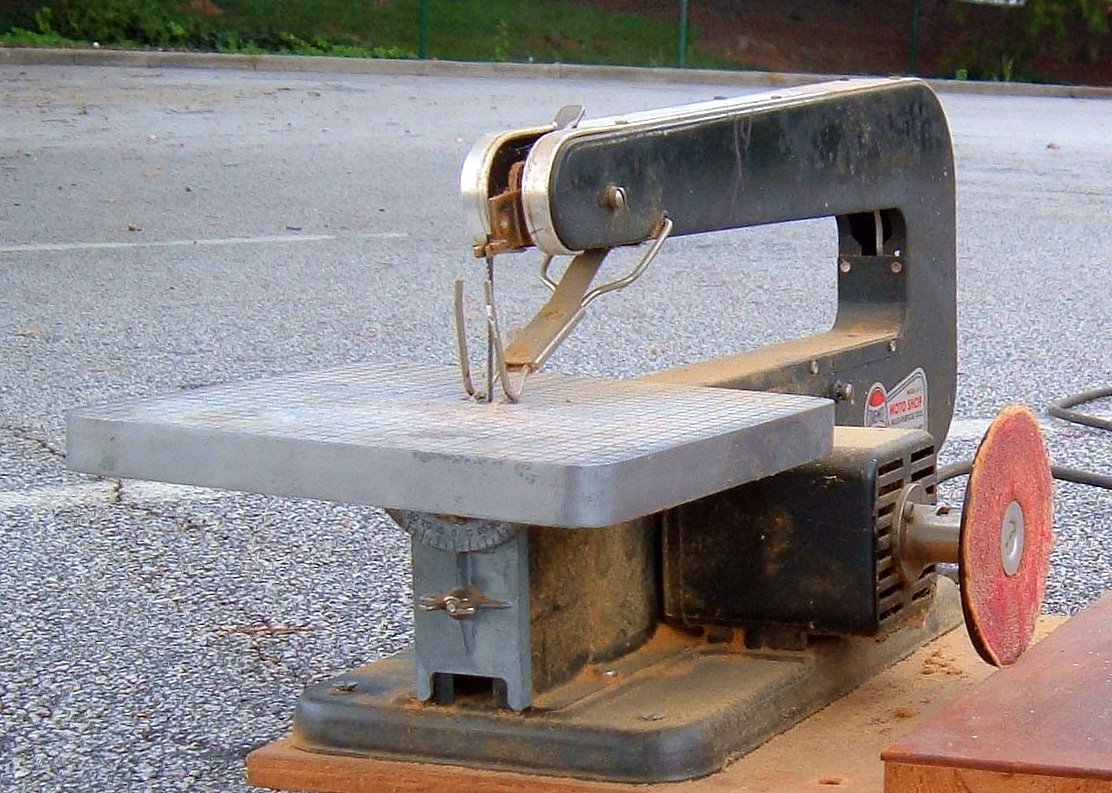
Scroll saws get sold on throat depth, variable speed and how quietly they run. None of that matters much once you are cutting. The blade decides whether a tight curve comes out clean, whether the cut drifts on thick stock, whether the kerf closes behind the blade and pinches, and whether you spend the second half of the project fighting burns instead of following your pattern. Buying a good saw and a random assortment of blades is the most common way to end up disappointed with a machine that is actually fine.
Pinned or plain end, and why it locks you in
The first decision is not a preference, it is a constraint set by your machine. Pinned-end blades carry a small cross pin that fits a hook-style clamp. Plain-end blades have no pin and are held by a screw clamp that grips the flat shank. Some saws accept only pinned blades, some accept only plain, and a few accept both through an adapter.
Plain-end blades are the better choice where you have it. They are available in far more sizes and tooth counts, they cost less per blade, and they can be threaded through a drilled starter hole so you can cut an inside shape without breaking the blade out of the piece. Pinned blades cannot pass through a small hole, which limits you to outside profiles. If your saw came with pinned clamps and there is an aftermarket plain-end conversion available, it is usually worth fitting.
Tooth count is the real variable
Blades are sold by teeth per inch and by width. Tooth count controls two things at once: the smoothness of the cut and how fast heat builds up.
- Roughly 10 to 12 teeth per inch: fast cutting in thick stock, leaves a visibly toothed edge that needs sanding.
- Roughly 15 to 18 teeth per inch: the general-purpose range for most hardwood and plywood work.
- Roughly 20 teeth per inch and up: slow, clean cuts in thin stock, veneer, and fine inside curves.
Too few teeth in thin material grabs and tears. Too many teeth in thick material rubs instead of cutting, and rubbing burns the wood and dulls the blade in minutes. The wider the blade, the straighter it tracks, which is why a wide coarse blade is the right choice for long straight cuts and a narrow fine blade is the right choice for tight radius work.
Skip tooth, reverse tooth and spiral
Skip-tooth blades have gaps between the teeth that clear sawdust quickly. They cut fast and run cooler in thick stock, but they leave a rough edge. They are the right blade for hogging out a shape you plan to sand.
Reverse-tooth blades have a few teeth pointing down at the ends. Those downward teeth cut on the downstroke, which means the top face of the work is supported by the table instead of being lifted. The result is far less tear-out on the side of the board that faces up, which is usually the side you care about. For plywood and veneered stock, a reverse-tooth blade is close to essential.
Spiral blades cut in every direction, so you can feed the work sideways or spin it without turning the blade. They are excellent for tight inside curves and for cutting material that you cannot easily rotate, but they are slow, they leave a fuzzier edge, and they demand a very steady hand because they will happily cut in any direction including back toward you.
Matching blade to material
Softwood cuts easily and tolerates coarse blades, but it also fuzzes at the edges, so reverse tooth helps. Hardwood dulls blades faster, so plan on changing blades more often than feels reasonable and keep the speed moderate to control heat. Plywood is the most punishing common material because the glue lines are abrasive and the veneer tears out easily; a fine reverse-tooth blade at moderate speed with the good face down gives the cleanest result. Plastics and non-ferrous metals need their own blades with finer teeth and slower speeds, because friction melts or smears them rather than cutting.
If you want a shorter route to a workable starting set rather than building an assortment by trial and error, the breakdown of the best scroll saw blade types covers which sizes pair with which materials and why.
Test cuts tell you more than specifications
Every saw, every blade and every piece of wood behave slightly differently together. Before committing to a pattern on a good board, cut a scrap of the same material and the same thickness. Look for three things: whether the blade tracks straight when you follow a line, whether the underside of the cut is clean or fuzzy, and whether the blade feels hot when you stop. Drift means the blade is too narrow or the tension is wrong. Fuzz means too few teeth or the wrong tooth direction. Heat means you are feeding too slowly, the blade is dull, or the speed is too high.
Setup habits that protect the cut
- Tension the blade so it gives a high note when plucked and barely deflects under light finger pressure.
- Set the hold-down foot just above the work, close enough that the board cannot lift.
- Slow the saw for tight curves and thin material, and speed it up for long straight cuts in thick stock.
- Let the blade cut at its own pace. Pushing sideways to steer bends the blade and produces a bevel instead of a square edge.
- Change blades as soon as cuts slow down. A dull blade costs more time than the blade costs money.
Do those five things and the same saw that felt unpredictable will cut a clean inside curve you can sand in a few strokes.
Blade life, storage and when to throw one away
Scroll saw blades are consumables and they are cheap, so the temptation is to keep using a blade that has stopped cutting properly. That is a false economy for two reasons. A dull blade rubs instead of cutting, which burns the wood, hardens the surface and makes the next cut harder still. And pushing a dull blade sideways to steer it bends the blade, which puts an uneven load on the clamps and shortens the life of the machine itself.
A blade is finished when the cut slows noticeably at the same speed setting, when the kerf starts to wander even with careful feeding, or when the teeth feel smooth rather than sharp when you run a thumb along them. Expect to go through several blades on a long project, and buy them in packs rather than singly.
Storage matters more than most people expect. Blades left loose in a drawer knock against each other and blunt their teeth. A short length of plastic tubing, a magnetic strip or a purpose-made blade holder keeps them separate and lets you see at a glance which tooth count you are picking up. Label the sizes, because once the packaging is gone a fine blade and a coarse blade look almost identical.
Five problems and what they actually mean
- The blade wanders off the line: too narrow a blade for the thickness, or the tension is too slack.
- The cut is fuzzy underneath: too few teeth, or a blade without reverse teeth on a veneered face.
- The blade feels hot after a short cut: speed too high for the material, or you are feeding too slowly and rubbing.
- The work lifts off the table: the hold-down foot is set too high.
- Inside curves keep breaking blades: the radius is tighter than the blade width allows, so the blade is being bent rather than steered.
Every one of those is a setup or blade choice issue. The saw itself is almost never the cause.