




A table saw is the first stationary power tool most woodworkers buy, and the first one they regret buying badly. The wrong machine is loud, inaccurate, hard to adjust and terrifying in a way that has nothing to do with the blade guard. The right one is the centre of the shop for a decade. Here is what actually separates the two.
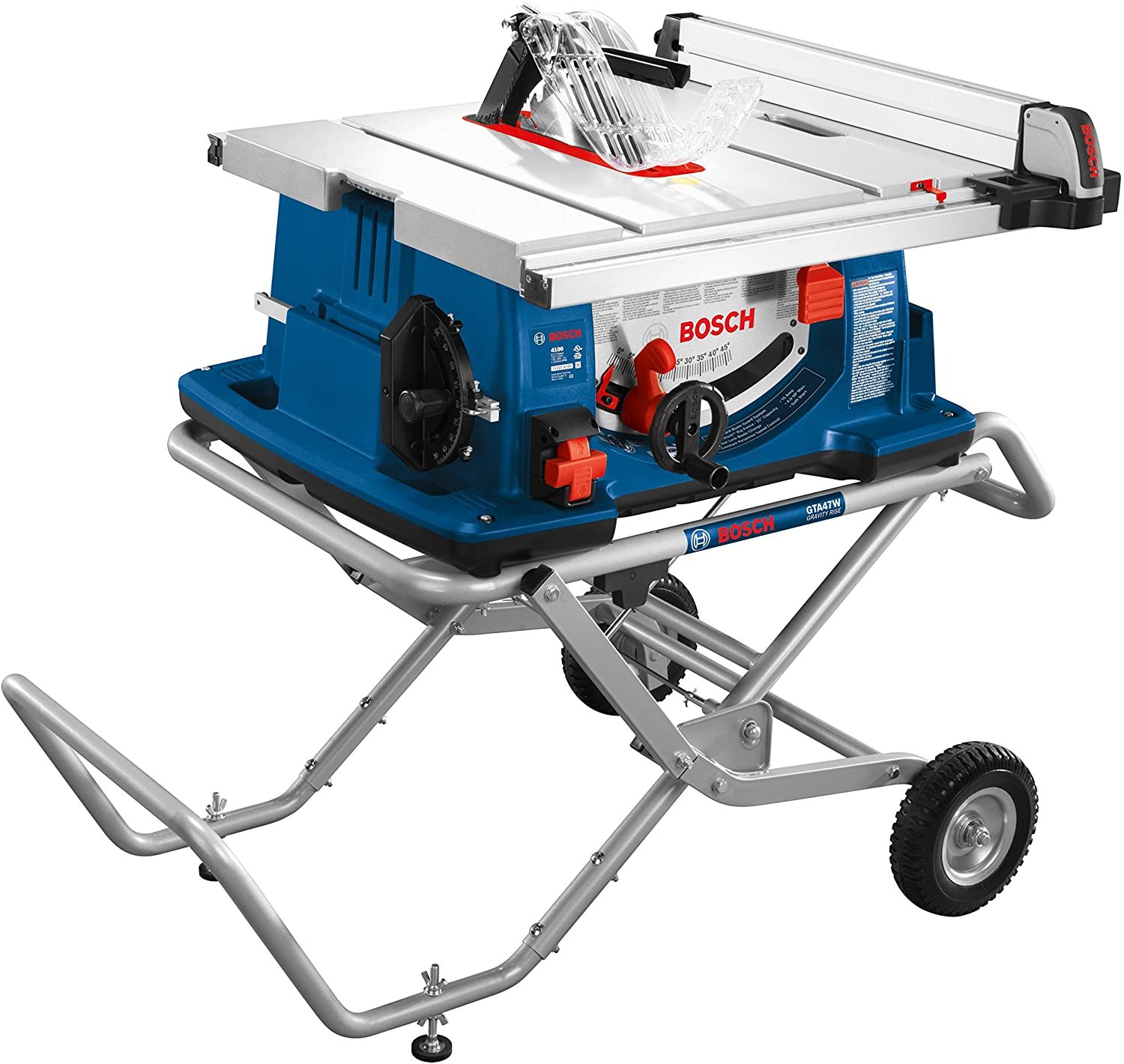
Three classes of table saw
Jobsite saws are light, fold up, and use a universal motor. They are loud and the fences flex under load. Contractor saws have an induction motor and an open stand; they are heavier, quieter and hold adjustment better. Cabinet saws have a fully enclosed base, a three horsepower motor and a price to match. For a first saw, contractor is the sweet spot; jobsite only if you must move it.
The fence is the machine
A table saw cuts as accurately as its fence stays parallel to the blade. A cheap saw with a fence that shifts when you lock it will produce tapered rips no matter how carefully you set up. When you look at a saw, unlock the fence, slide it, lock it, and check with a ruler at the front and back of the blade. Any visible difference is disqualifying.
Table flatness and blade alignment
Cast iron or a flat aluminum top matters less than flatness. Put a straightedge across the table diagonally and look for light. Then check that the miter slot is parallel to the blade; most saws allow this adjustment, and a saw that cannot be aligned will never cut a clean glue joint.
What to look for
- A riving knife, not just an anti-kickback pawl
- Dust collection port that actually connects to a shop vac
- A blade guard you can remove and refit in seconds
- Cast iron or machined aluminum top with miter slots
- Enough rip capacity for the sheet goods you buy
Ten inch blades are standard and the right choice; the accessory ecosystem is larger and blades are cheaper.
Safety, stated plainly
Kickback is the injury most likely to happen and the one most easily prevented. Stand to the side of the blade, use the riving knife, and never cut a freehand board without a fence or a sled. Push sticks are not optional. Do not reach over a running blade, and unplug the saw before changing anything.
Budget and accessories
Plan on spending as much on accessories as on the saw: a good blade, a crosscut sled, push sticks and a shop vac hose. A $400 saw with a $100 blade cuts better than a $600 saw with the stock blade. If you want a shortlist of machines that get the basics right, this guide to first table saw picks is a reasonable place to start.
Bottom line
Buy for the fence, the flatness of the table and the quality of the riving knife, in that order. Buy the largest motor you can afford only after those three are satisfied. A well set up contractor saw will build furniture for years; a poorly set up cabinet saw will just be an expensive way to make firewood.
Blade choice for a first saw
The blade that ships with a budget table saw is usually a thin ripping blade with too few teeth for finish work. Budget for a 40 tooth combination blade before you buy anything else. It will not rip thick hardwood as fast, but it will crosscut trim, plywood and melamine without the tearout that makes a beginner think the saw is inaccurate. Keep the stock blade for rough ripping of construction lumber.
Setup steps that matter more than the saw
- Check the blade is parallel to the miter slot, using a dial indicator or a marked stick
- Set the fence parallel to the blade, not to the table edge
- Confirm the blade is square to the table at ninety degrees
- Zero the angle pointer after squaring
- Wax the table so stock slides without drifting
Every one of those checks takes five minutes and fixes the complaints that get saws returned. A saw that is aligned cuts straight; a saw that is not will produce tapered rips no matter how carefully you feed the stock.
Jigs worth building first
A crosscut sled is the single best accessory for a beginner. It carries stock square past the blade, keeps your hands away from the kerf and lets you cut short pieces safely. Build it from plywood and hardwood runners, check it for square with the five cut method, and you will use it on nearly every project. A featherboard and a push block come next, both cheap and both improving the quality of the cut.
Dust and noise
A table saw produces a lot of fine dust, and the dust port on a budget saw is usually undersized. Adapt it to a shop vac, and wear a respirator for anything beyond a few cuts. The motor is loud enough to need hearing protection at close range, especially when ripping hardwood.
Common beginner mistakes
Cutting freehand without a fence, reaching over a running blade, using the fence as a stop for crosscuts, and standing directly behind the blade are the four that cause most injuries. Stand to the side, use the riving knife, and never cut a board shorter than your push stick can control.
Bottom line
Buy a saw with a solid fence and a flat table, add a 40 tooth blade and a crosscut sled, and spend an afternoon on alignment. That combination will build furniture; a more expensive saw that is out of adjustment will only make scrap.
Space and power
A table saw needs clearance in front and behind for the stock, and enough room to stand to the side of the blade rather than behind it. Measure the longest board you expect to cut, double it, and that is the space you need. Check the circuit as well: a fifteen amp job-site saw will run on a standard garage outlet, but a contractor saw with a larger motor may need a dedicated twenty amp circuit, and tripping a breaker mid-cut is both annoying and unsafe.