


Five hundred dollars is the point where a home air compressor stops being a toy and starts being a tool. Below that number you can have volume or pressure, portability or duty cycle, but rarely all four. Knowing which trade-off you are buying is the difference between a compressor that gets used weekly and one that sits in the corner tripping its thermal overload.
What five hundred dollars buys
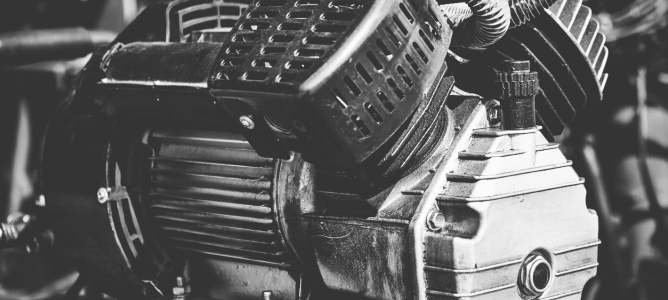
Expect a 20 to 30 gallon vertical or horizontal tank, an oil-lubricated single-stage pump with a cast iron cylinder, a 1.5 to 2 horsepower motor, and around 5 to 6 CFM at 90 PSI. That is enough to run impact wrenches, ratchets, die grinders in short bursts, a blow gun and most nailers. It is not enough to run an HVLP spray gun continuously or a sandblaster.
Oil-lubricated versus oil-free
At this price, oil-lubricated is the better choice for a shop that runs tools. The pump is quieter, lasts longer and tolerates longer runs. Oil-free units win on maintenance and cold weather starting, and they are the right answer for a garage that only inflates tires and blows out filters. If you plan to spray or grind, buy oil.
Tank size and shape
- Vertical tanks save floor space and are easier to drain
- Horizontal tanks are more stable and easier to move
- Larger tanks give longer bursts but do not raise CFM
- Drain valves at the bottom are non-negotiable for longevity
A 30 gallon tank at 5 CFM is a better shop compressor than a 60 gallon tank at 3 CFM, because the pump, not the tank, decides what the tool sees after the first thirty seconds.
Noise, wiring and placement
A 2 horsepower compressor needs a dedicated 20 amp circuit in most cases; check the nameplate before you plug it into a shared garage circuit. It will be loud enough to need hearing protection at close range. Put it where the intake can breathe, keep it out of damp corners, and plumb a drop leg with a drain so water does not travel to your tools.
Accessories that complete the purchase
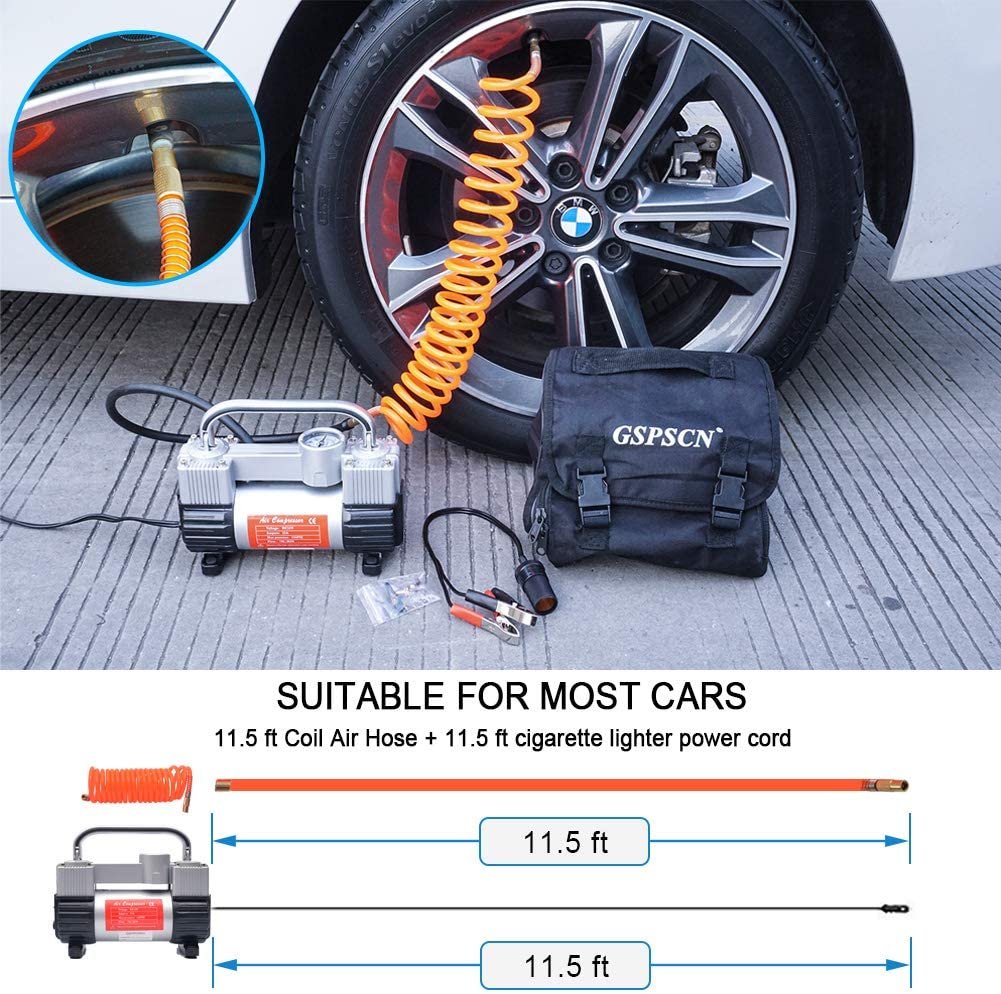
Budget for a proper hose, quick couplers, an inline filter and regulator, and a water trap. The regulator that comes on a budget compressor is usually the weakest component; replacing it is cheap and transforms the consistency of the tool. A coil hose is convenient; a rubber hose lasts longer in a cold shop.
For models that hit these specifications without blowing the budget, this roundup of air compressors under $500 is a useful starting point, and it is worth reading the CFM figures rather than the horsepower claims.
Maintenance that decides lifespan
Drain the tank after every use. Change the oil on schedule if the pump is lubricated. Blow out the intake filter monthly in a dusty shop. Store the compressor with the drain open in freezing weather, and never leave a pressurized tank sitting for months without checking for corrosion.
Bottom line
Buy an oil-lubricated pump with a cast iron cylinder, at least 5 CFM at 90 PSI, and a tank you can drain easily. Spend the remaining budget on the regulator and hose rather than on a bigger tank, and the compressor will still be running when the cheap ones have been replaced twice.
Plumbing the shop
If the compressor lives in one place, plumb a permanent line rather than fighting a hose. Copper and aluminium both work; steel pipe rusts from the inside and sends scale into your tools. Slope the pipe back toward the compressor and fit a drop leg with a drain at the low point, because air cools as it travels and drops its water in the last few feet before the outlet.
Put a dedicated regulator and filter at each outlet rather than one at the tank. That way a high pressure tool for the impact wrench does not force you to run the whole shop at that pressure, and water is trapped at the point of use rather than travelling to the tool.
Circuit and startup current
A two horsepower motor draws roughly fifteen amps running but considerably more on startup, and startup is what trips a breaker. Check the nameplate for the running amps and confirm the circuit is dedicated, not shared with a freezer or a garage door opener. A slow blow fuse may be acceptable; a standard breaker that trips every time the pump restarts is not, and nuisance tripping leads people to oversize fuses, which is dangerous.
Noise, placement and ventilation
The compressor should stand where air can move around it, with clearance on all sides and the intake filter accessible. An enclosed cupboard traps heat and shortens pump life. Sound levels at close range need hearing protection, and a rubber mat under the feet reduces the vibration that travels through a concrete floor into the rest of the house.
Oil, filters and the maintenance calendar
Change the oil after the first ten hours and then per the manual, typically every few hundred hours. Clean or replace the intake filter monthly in a dusty shop. Drain the tank after every use and open the drain fully once a month to clear sludge. Check the belt tension if the pump is belt driven, and listen for a change in the pump note, which usually means a bearing or a valve is on the way out.
What not to buy
- A tank so large the motor takes ten minutes to refill it
- An oil-free pump sold for spray work, which will overheat
- A compressor with no drain valve or a drain you cannot reach
- Horsepower figures without a CFM rating at 90 psi
- Any unit where the regulator is moulded into the manifold and cannot be replaced
Bottom line
Five hundred dollars buys a reliable single stage oil lubricated compressor with a cast iron cylinder if you spend it on the pump rather than the tank. Add a decent regulator, trap the water, drain the tank and keep the oil fresh, and the machine will outlast the tools it drives.