
Walk down the compressor aisle and every machine looks like a variation on the same idea: a motor on a tank. The differences that decide whether a compressor is useful in your garage are CFM at pressure, duty cycle, pump type and how the tank is shaped. Rating them by horsepower alone is how people end up with a compressor that cannot run a spray gun or a die grinder.
First, the number that is not on the box
CFM at a given pressure is what your tool actually consumes. A compressor that claims 150 PSI but delivers four CFM at 90 PSI will run a brad nailer all day and will stall on a cut-off tool. Before buying anything, read the CFM requirement on the tools you own and add them up for anything you might run at the same time.
Tank size is storage, not production. A larger tank gives you a longer burst before the motor kicks in, which matters for short high-draw jobs like impact wrenches. It does not help a tool that needs continuous volume, because the pump still has to keep up.
Pump types in plain language
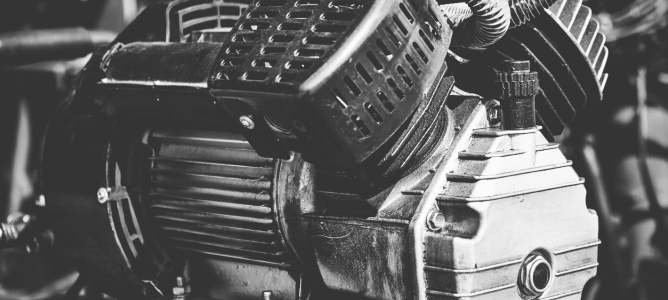
- Oil-free reciprocating: cheap, light, noisy, lower duty cycle. Fine for nailers, tires and blow guns.
- Oil-lubricated reciprocating: quieter, longer lived, better duty cycle. The sensible default for a home shop that runs tools for hours.
- Rotary screw: continuous duty, very quiet for its output, expensive. Belongs in a professional shop, not a garage.
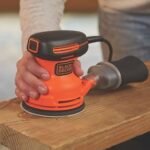
Duty cycle is the spec nobody reads. A 25 percent duty cycle means five minutes of running for every fifteen minutes of rest. Ignore it and the pump overheats on a long sanding job, which is the most common way cheap compressors die.
What the tank shapes are for
Pancake tanks sit flat and stable, which makes them handy on a jobsite and awkward in a corner. Hot dog tanks are narrow and fit between studs. Twin-stack tanks carry more air for their footprint. Vertical tanks put the volume up high and keep the floor clear in a fixed shop. The shape changes portability and storage, not capability.
Matching the compressor to the job
For trim work, tire inflation and clean-up, a two to six gallon oil-free unit is enough. For impact wrenches, ratchets and short bursts of grinding, a ten to twenty gallon oil-lubricated unit with at least five CFM at 90 PSI is a better match. For HVLP spraying, plan on a much larger machine than you expect, because most entry-level guns want a continuous twelve to fifteen CFM.
If you want a broader walk through the categories before choosing a tank size, this overview of the main types of air compressors lays out the trade-offs without the spec-sheet fog.
Noise, water and hose length
Decibels matter more than most buyers expect. A cheap oil-free unit can hit ninety decibels, which is loud enough to need hearing protection in a small garage. Water is the other quiet problem: compressors pull humidity out of the air and push it down the line, so add a filter and a drip leg if you plan to spray or run air tools that dislike moisture.
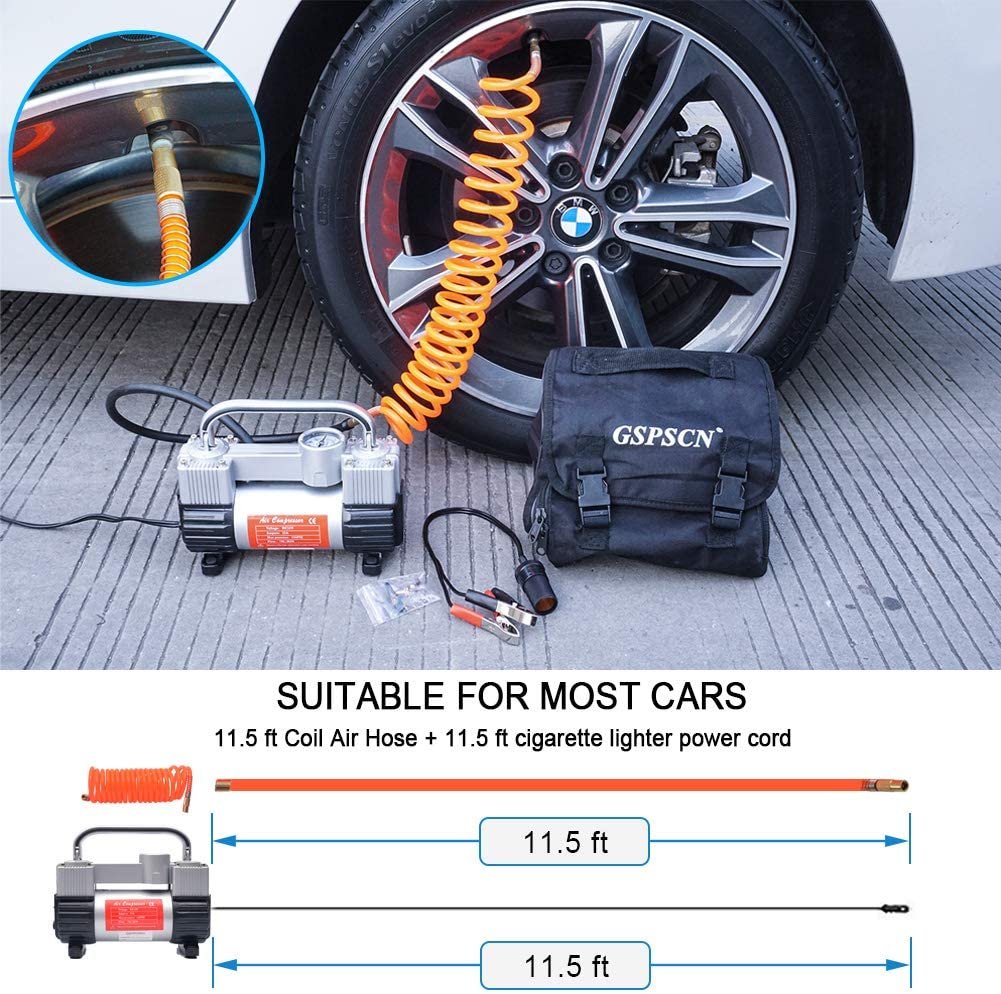
Hose diameter affects performance as much as the compressor does. A long, narrow hose drops pressure at the tool. Keep runs short and use a larger inside diameter for high-draw tools.
Bottom line
Start with the CFM your tools need at working pressure, then pick the pump type that can sustain it, then choose a tank shape that fits your space. Horsepower is a marketing number; CFM at pressure is the honest one.